I once stood in an elevator for four floors trying to figure out what someone was wearing. Never found out. Still think about it sometimes. That’s the thing about fragrance, it does the talking before you do.
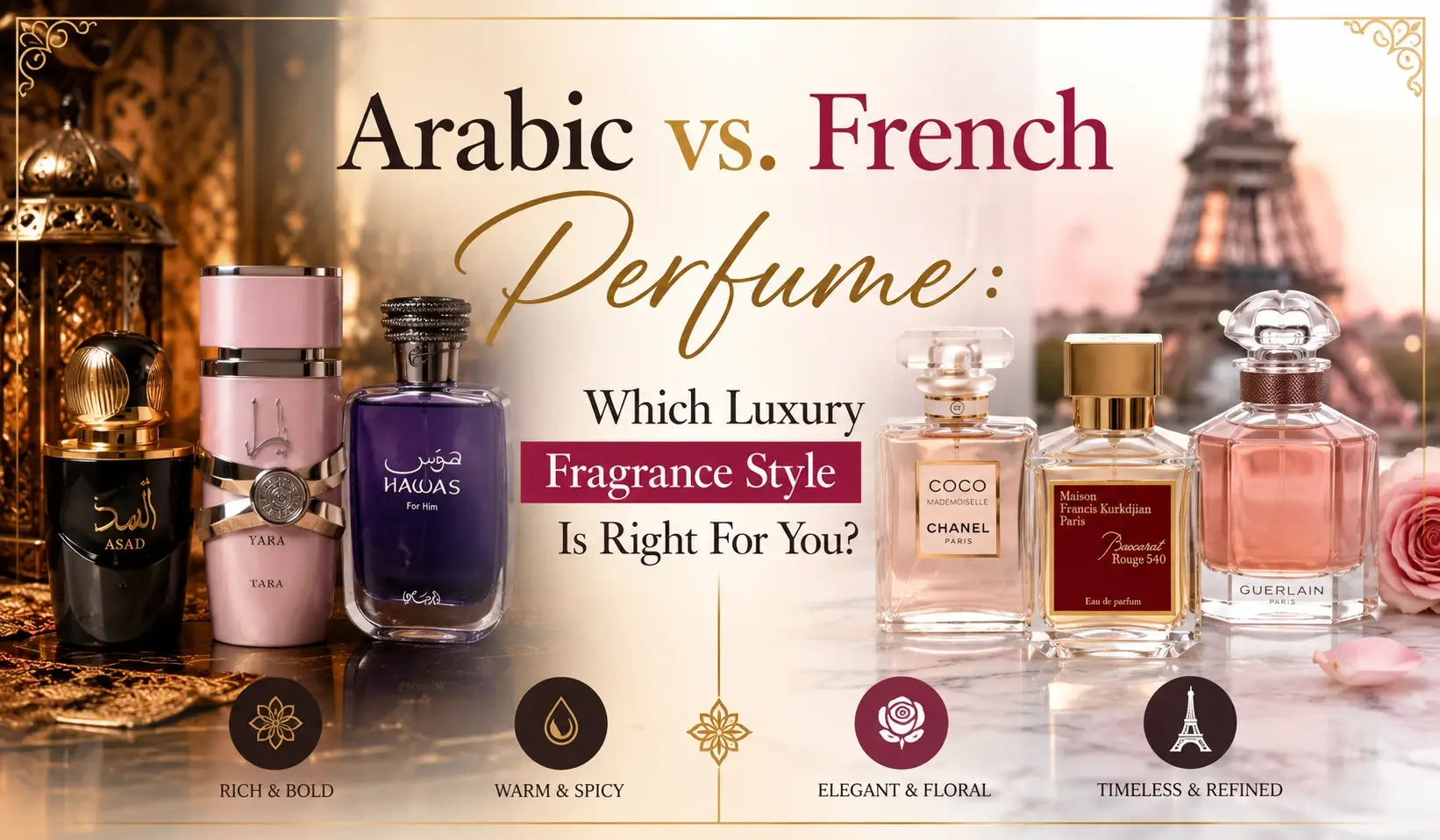
The Middle East and France are the two heavyweights here, and they’ve basically built opposite philosophies. Arabic perfumery leans on oils: attars, thick and warm, made to last on skin for a full day without reapplying. French perfumery went the alcohol-spray route instead, floral or fresh, meant to sit close and drift rather than announce itself across a room.
So which one’s for you? Honestly, it depends on whether you want people to notice you walked into the room or notice you were there after you’d left. Let’s get into what actually separates them.
What Is Arabic Perfume?
Arabic perfumery goes back thousands of years. In the Middle East, scent isn’t separate from daily life; you smell it when someone welcomes you into their home, in prayer, in the small rituals of getting dressed.
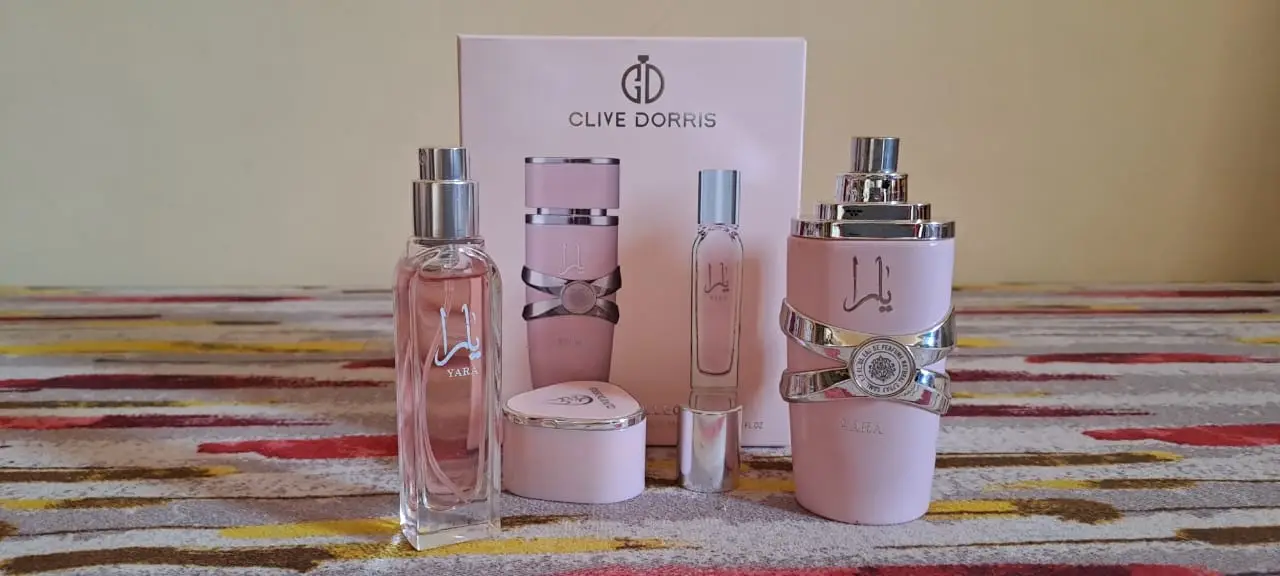
The desert heat shaped how these perfumes are made. Alcohol-based scents burn off fast in that kind of heat, so perfumers stuck with something heavier: dense, natural raw materials that actually hold up.
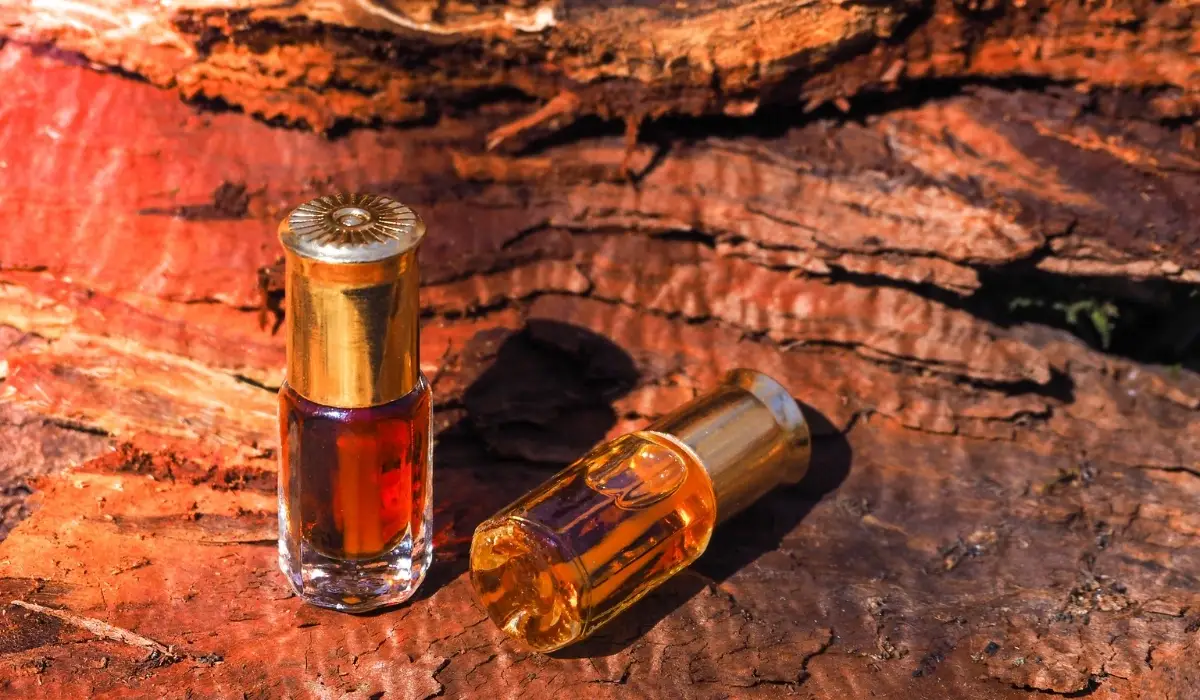
That’s where attars come in, thick, pure oil extracts, no alcohol involved. The notes are the kind you’d expect from a place like this: smoky oud wood, golden amber, clean white musk, dark saffron, sweet spices layered in.
What Is French Perfume?
France is basically ground zero for Western perfume. If you want to know why, look at Grasse, a small town in the south that’s been growing jasmine, lavender, and roses for centuries and turned that into an entire industry.
The French approach perfume less like art and more like chemistry. The people who actually blend the scents get called “noses,” and their job is part garden, part lab: natural flower extracts mixed with synthetic molecules, all cut with a lot of perfumer’s alcohol. What they’re chasing is a “scent pyramid”, something that opens bright and citrusy, then slowly fades into a quiet, skin-close scent that barely feels like perfume at all by the end.
The Pros and Cons of Arabic Perfumes
The Pros
- Beast-Mode Longevity: Because they have a very high oil concentration and use heavy base notes, these perfumes easily last eight to twelve hours on your skin. They can even stay on your winter jackets and clothes for days.
- Massive Projection: Arabic perfumes are famous for leaving a heavy, beautiful trail behind you as you walk. If you want people to notice your scent across a room, this style delivers.
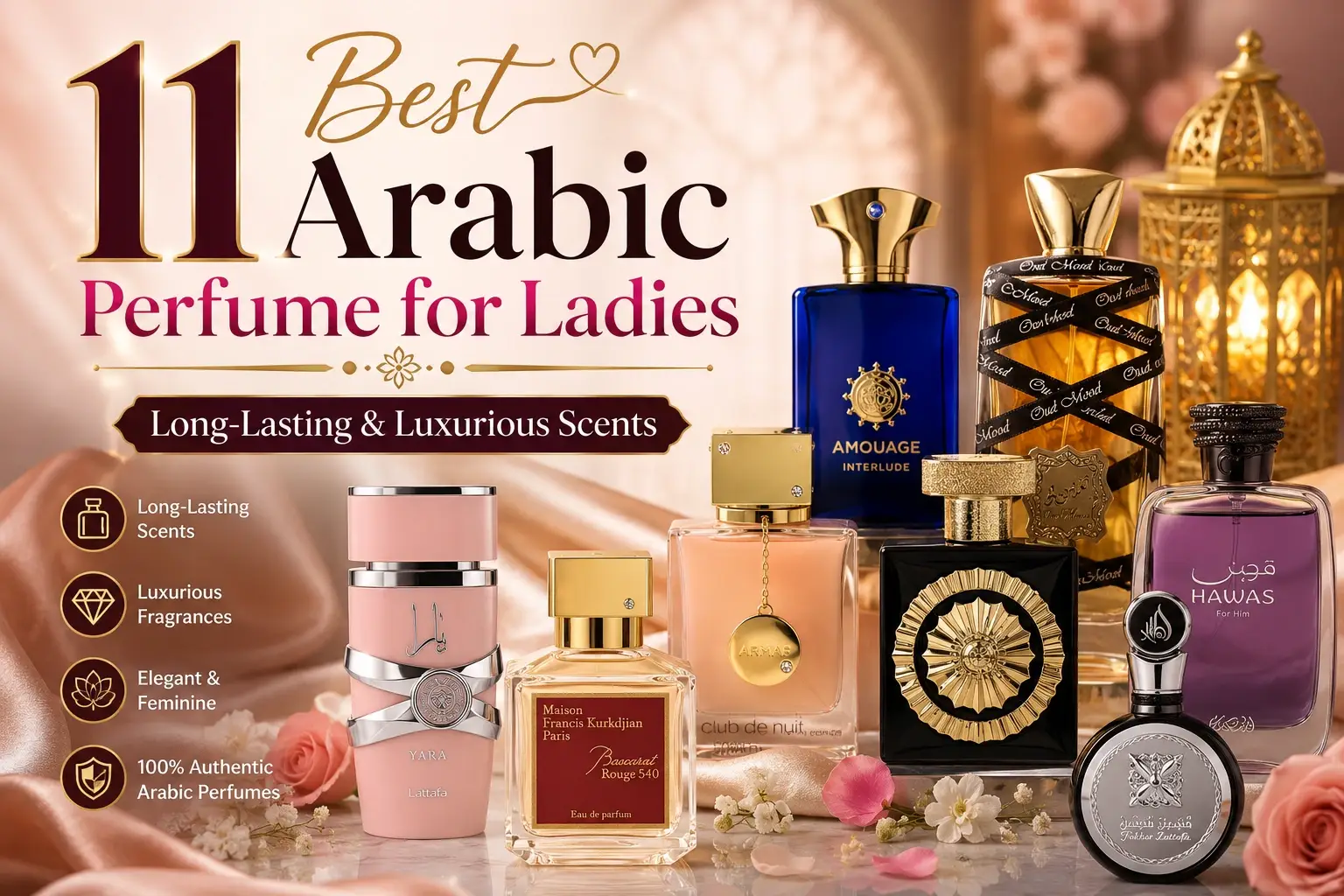
- Phenomenal Value: Major Middle Eastern brands like Lattafa, Armaf, and Afnan offer luxury-quality juice and heavy crystal bottles for twenty to fifty dollars.
- Deep and Unique Profiles: They use rare, exotic ingredients like real agarwood (oud) that smell incredibly mysterious and complex compared to basic mall scents.
The Cons
- Can Be Overwhelming: The intense sweetness and heavy wood notes can feel way too strong or cloying, especially on hot, humid summer days or in tiny office spaces.
- Slower Absorption: Pure oil formulas can feel slightly greasy on the skin at first and can occasionally stain delicate, light-colored fabrics if you spray them too closely.
- Maceration Needed: Brand-new bottles often arrive straight from the factory and need to sit in a dark, cool closet for a few weeks to mature and lose their initial sharp alcohol edge.
The Pros and Cons of French Perfumes
Now, let us examine the good and bad sides of traditional Western, French-style fragrances.
The Pros
- Delicate and Balanced: French perfumes are absolute masterpieces of blending. The top, heart, and base notes flow into each other seamlessly, creating a sophisticated journey.
- Highly Versatile: These scents are generally light, airy, and clean. This makes them perfect for everyday signature wear, job interviews, close-quarter offices, and warm weather.
- Immediate Results: What you smell in the store is exactly what you get. They do not require any extra waiting time or closet ageing to smell their best.
- Beautiful Florals: If you love the crisp smell of fresh jasmine, bright citrus, or dewy red roses, French perfumery offers the most realistic floral notes in the world.
The Cons
- Poor Lasting Power: Because they contain a high percentage of alcohol and water, lighter French formulas can evaporate quickly, often fading away within four to six hours.
- Expensive Price Tags: You are often paying a premium for a luxury fashion designer’s logo. A bottle can easily cost anywhere from $150 to $300+.
- Frequent Re-Spraying: Since the scent bubble drops close to the skin quickly, you will need to carry the bottle in your bag for afternoon touch-ups.
Head-to-Head Comparison Table
| Feature | Arabic Perfume | French Perfume |
| Main Base | Concentrated natural oils | Perfumer’s alcohol and water |
| Scent Family | Warm, spicy, woody, and sweet | Floral, citrus, fresh, and powdery |
| Longevity | 8 to 12+ hours | 4 to 8 hours |
| Projection | Strong, noticeable room-filling trail | Soft, intimate close-to-body bubble |
| Average Cost | Highly budget-friendly ($20 – $50) | Expensive luxury pricing ($100 – $250+) |
| Best Weather | Fall, winter, and cool evenings | Spring, summer, and daytime office wear |
How to Choose Between Them
Honestly, it depends on what you’re going for.
Arabic perfume is the one that lasts all day and gets you compliments from strangers: oud, amber, warm smoky woods, that whole vibe. It’s also usually cheaper for how much staying power you get, which is a big part of the appeal.
French perfume is quieter. It stays close to your skin instead of announcing itself, think clean florals, fresh citrus. That’s what you want for the office, or anywhere you don’t want to be “the person who smells like something.”
Neither is objectively better. It’s really a question of whether you want to be noticed or smell put-together.
FAQ
Middle Eastern perfume houses manufacture their juices and bottles locally, bypassing expensive Western marketing agencies and fashion runway costs. You are paying purely for the high-quality ingredients rather than a luxury clothing logo.
Yes, because they contain less drying alcohol and more natural moisturising oils. However, because the oils are highly concentrated, you should always do a small patch test on your wrist first to check for spice allergies.
Absolutely! In fact, this is a secret trick used by many beauty insiders. You can apply a rich, warm Arabic perfume oil as your base layer to give you all-day longevity, and then spray a bright, floral French perfume on top to add a fresh daytime opening.
Final Verdict: 9/10 for Both
There is no single winner in the battle of Arabic vs. French perfume. Both traditions offer incredible artistry. French perfumes give you timeless, airy elegance that works beautifully for casual daytime wear. Meanwhile, Arabic perfumes offer unbeatable value, beast-mode longevity, and a rich, exotic warmth that makes a powerful statement. For the ultimate collection, keep a bottle of both on your vanity!